Light Exposure and Senior Sleep
Have you ever considered how something as simple as light can profoundly impact your sleep quality, especially as you age? The role of light exposure is crucial in managing circadian rhythms, and understanding this can lead to transformative changes in well-being.
What You Will Learn
- Circadian Rhythms: Learn how your body’s internal clock affects sleep patterns and daily alertness.
- Importance of Natural Light: Discover how exposure to sunlight can boost mood and improve sleep quality for seniors.
- Effects of Artificial Light: Understand how blue light from screens can disrupt sleep signals and how to mitigate this.
- Creating a Balanced Light Environment: Explore practical strategies for managing light exposure at home to enhance sleep hygiene.
The Role of Light Exposure in Senior Circadian Rhythm Management
As a sleep consultant, I often wonder how our daily lives impact our sleep quality, especially as we age. Have you noticed how the world around you feels different at night? This shift isn’t just in our surroundings; it’s all about our bodies and how they respond to light exposure. Understanding the role of light in managing your circadian rhythm can lead to better sleep and enhanced well-being!
Many seniors experience changes in their sleep patterns, largely due to shifts in their circadian rhythms. This internal clock regulates when we feel awake and when we feel sleepy. By harnessing light exposure effectively, we can help seniors reset their rhythms, ensuring they enjoy more restful nights. Let’s delve deeper into how light influences our sleep cycles and what steps can be taken to make the most out of it.
Understanding Circadian Rhythms
Circadian rhythms are 24-hour cycles that influence various physical, mental, and behavioral processes. Have you ever felt more alert during the day and sleepy at night? That’s your circadian rhythm at work! It’s essential for seniors to recognize how light can either disrupt or enhance these natural cycles.
Here are some key aspects of circadian rhythms for seniors:
- Light Sensitivity: Aging can make our bodies less sensitive to light, impacting sleep patterns.
- Sleep-Wake Cycle: With age, many seniors find their sleep-wake cycles shift, often leading to earlier bedtimes and wake times.
- Health Effects: Disruption of circadian rhythms can result in mood changes, cognitive declines, and even health issues.
The Impact of Natural Light
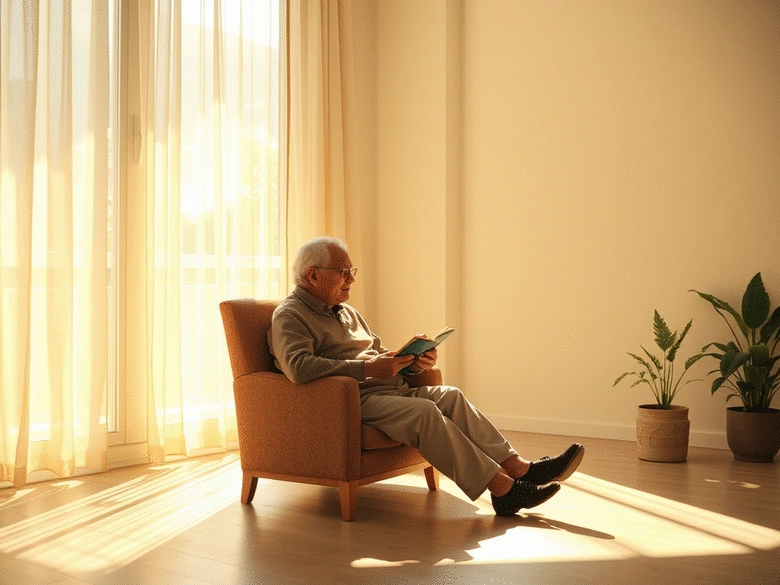
Natural light plays a huge role in regulating our internal clocks. When seniors spend time outside, soaking in the sunlight, they can help reset their circadian rhythms. Think of it as a gentle nudge to remind your body when it’s time to be awake or to wind down for the night.
Consider these benefits of natural light for seniors:
- Improved Mood: Exposure to sunlight can boost serotonin levels, promoting a positive mood.
- Enhanced Sleep Quality: Natural light helps signal to the body when it should produce melatonin, the hormone responsible for sleep.
- Better Cognitive Function: Regular exposure to light can improve alertness and cognitive abilities.
Taking short walks during the day or engaging in outdoor activities can significantly enhance light exposure. Have you considered setting a daily reminder to step outside? It can be such a refreshing change!
Artificial Light and Its Effects
While natural light is beneficial, artificial light, especially from screens, can confuse our internal clocks. Have you ever noticed how difficult it is to fall asleep after a few hours of TV or phone use? The blue light emitted by these devices can trick our brains into thinking it’s still daytime, disrupting our body's natural sleep signals.
To manage artificial light exposure effectively, seniors can follow these tips:
- Limit Screen Time: Try to reduce screen usage at least an hour before bedtime.
- Use Warm Light: Opt for warm, dim lighting in the evening to promote relaxation.
- Blue Light Filters: Consider using blue light blocking glasses or filters for electronic devices.
Creating a Balanced Light Environment
It’s essential to balance both natural and artificial light to support healthy sleep patterns. Have you thought about how your home environment can impact your sleep? Here are some strategies to create a conducive lighting environment:
- Morning Sunlight: Open curtains to let in natural light first thing in the morning.
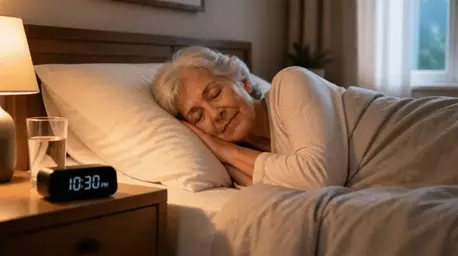
- Dim Evening Lights: Use dim lighting after sunset to signal your body that it’s time to wind down.
- Consistent Schedule: Try to keep a regular sleep schedule, going to bed and waking up at the same time each day.
As the founder of Senior Sleep Guide, I’m passionate about helping seniors navigate these challenges. With a little planning and awareness, managing light exposure can significantly improve sleep quality and overall well-being. Let’s work together to embrace the power of light for better sleep and vibrant days ahead!
Frequently Asked Questions
1. How does light exposure affect sleep quality in seniors?
Light exposure plays a crucial role in regulating circadian rhythms, which directly impact sleep quality. Natural light helps signal when it's time to be awake or sleep, while artificial light can disrupt these signals.
2. What are circadian rhythms, and why are they important?
Circadian rhythms are 24-hour cycles that influence various bodily processes, including sleep-wake cycles. They are important for maintaining good physical and mental health, particularly in seniors who may experience disruptions as they age.
3. What strategies can help seniors manage light exposure?
Seniors can manage light exposure by increasing natural light during the day, limiting screen time before bed, using warm lighting in the evening, and maintaining a consistent sleep schedule.
4. How does artificial light affect sleep?
Artificial light, particularly blue light from screens, can confuse our internal clocks and disrupt sleep signals, making it harder to fall asleep.
5. What are the benefits of natural light for seniors?
Natural light can improve mood, enhance sleep quality, and boost cognitive function, making it essential for overall well-being in seniors.