Choosing the Right Mattress for Sleep
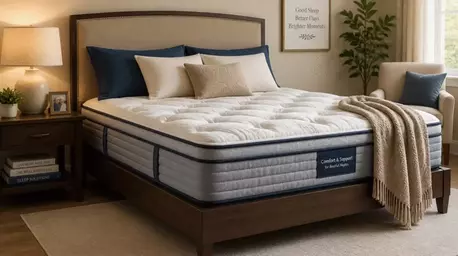
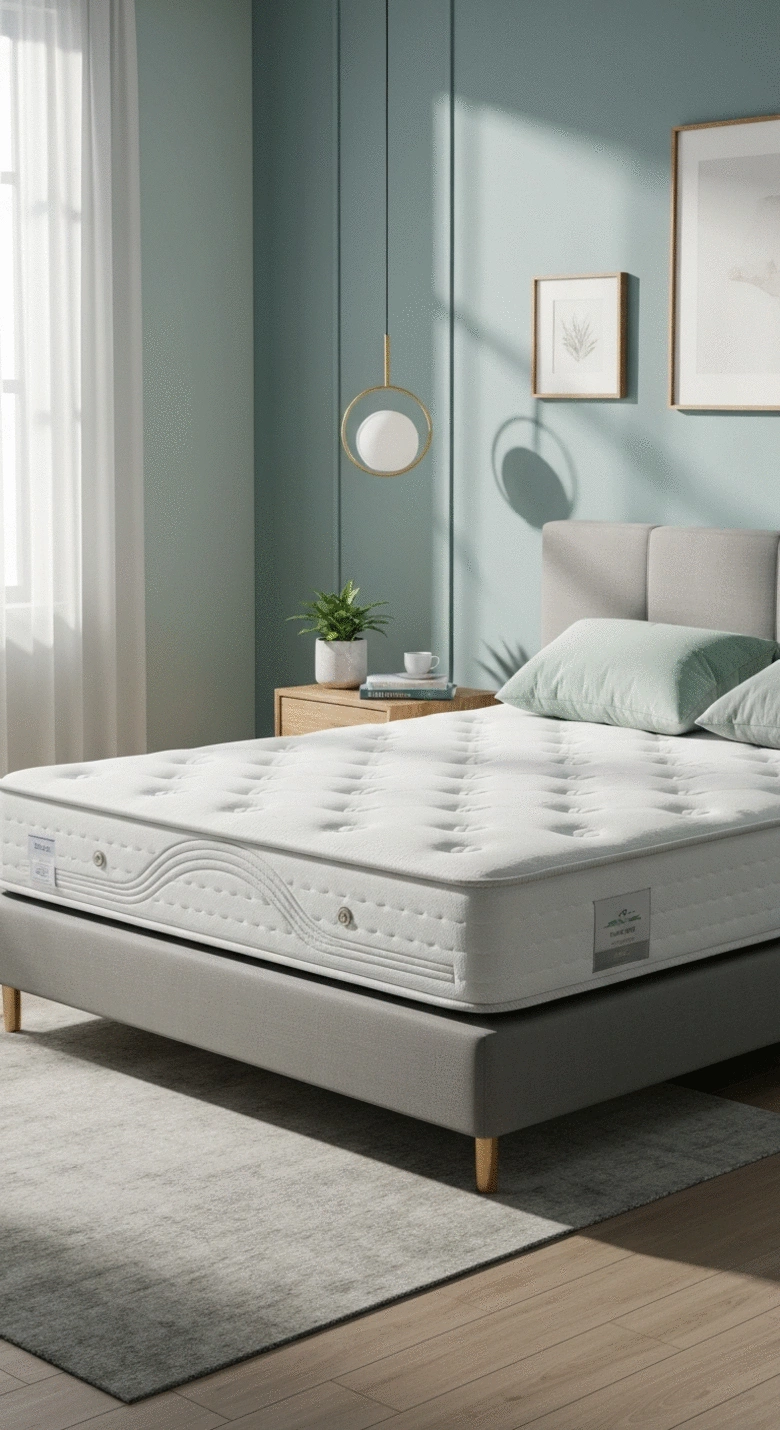
Choosing the right mattress is essential for those with sleep apnea, as a good mattress can significantly improve sleep quality and overall health. With so many options available, understanding the key features and types of mattresses can empower you to make an informed decision.
What You Will Learn
- The ideal firmness level for sleep apnea sufferers is often medium-firm, providing the right support for restful sleep.
- Pressure relief materials are essential; look for mattresses that alleviate pressure on your shoulders and hips.
- Temperature regulation is crucial; choose a mattress designed to keep you cool throughout the night.
- Understanding different mattress types—memory foam, latex, innerspring, and adjustable beds—can help you find the best fit for your needs.
- Additional features like adjustable firmness and hypoallergenic materials can further enhance your sleep experience.
- Testing a mattress by lying on it for at least 10-15 minutes helps ensure it meets your comfort and support requirements.
- Consulting with sleep specialists can provide personalized recommendations to better manage your sleep apnea symptoms.
How to Find the Right Mattress for Sleep Apnea
If you or a loved one is dealing with sleep apnea, choosing the right mattress can make a big difference in your quality of sleep. I’ve seen how a well-chosen mattress can transform bedtime into a restful retreat, especially for those with sleep challenges. Let’s dive into some key factors to consider when finding the perfect mattress for sleep apnea.
First, it’s important to understand how sleep apnea impacts your body. This condition can lead to interruptions in breathing during the night, causing frequent awakenings and poor sleep quality. A supportive mattress can help keep your airways open, allowing you to get the restful sleep your body craves. Here are some essential features to look for in a mattress:
- Firmness Level: A medium-firm mattress often provides the best support.
- Pressure Relief: Look for materials that relieve pressure on your shoulders and hips.
- Temperature Regulation: Choose a mattress that helps keep you cool throughout the night.
- Edge Support: Good edge support can enhance the overall sleeping surface.
Understanding Mattress Types
When shopping for a mattress, it’s essential to know the different types available. Each type offers various benefits that can cater to those with sleep apnea. Here’s a quick breakdown of popular mattress types:
- Memory Foam: This type contours to your body, providing excellent pressure relief.
- Latex: Latex mattresses are known for their durability and breathability.
- Innerspring: These mattresses offer robust support and are generally cooler to sleep on.
- Adjustable Beds: Consider an adjustable bed, which allows you to raise your head for better airflow.
Choosing the right mattress type can be a game-changer in managing sleep apnea symptoms. Personally, I believe that trying out these mattresses in-store can help you find the best fit. Remember, you wouldn’t buy a pair of shoes without trying them on first, right?
Additional Features to Consider
Besides the core mattress type, there are other features that can enhance your sleep quality. Here are some additional aspects to keep in mind:
- Adjustable Firmness: Some mattresses allow for adjustable firmness levels, catering to your personal comfort.
- Hypoallergenic Materials: Look for mattresses made from materials that resist allergens and dust mites.
- Trial Period: Consider mattresses with a generous trial period, so you can test it out at home.
At Senior Sleep Guide, I’m passionate about helping seniors find the right solutions for their sleep issues. Choosing a mattress that addresses your unique needs can empower you to reclaim restful nights. Have you thought about how these features might improve your sleep experience?
Testing Your Mattress
Once you’ve narrowed down your options, it’s crucial to test the mattress before making a purchase. Here are some tips for testing your mattress:
- Lie Down: Spend at least 10–15 minutes lying on the mattress in your usual sleep position.
- Move Around: Shift positions to see how well the mattress supports you.
- Check for Bounce: If you share your bed, check how well the mattress isolates movement.
By taking the time to test your mattress, you can ensure it meets your comfort and support needs. Remember, investing in a good mattress is an investment in your health and well-being!
Consulting with Professionals
If you're still uncertain about which mattress to choose, consider consulting with sleep specialists or even visiting a sleep center. They can provide valuable insights and personalized recommendations tailored to your specific situation. Here are a few tips for seeking professional advice:
- Ask About Sleep Studies: Understanding your sleep patterns can inform your mattress choice.
- Discuss Your Symptoms: Share your experiences with sleep apnea to receive tailored guidance.
- Consider Reviews: Look for reviews or patient experiences regarding specific mattresses.
At Senior Sleep Guide, I understand how complicated it can be to navigate sleep challenges, especially with conditions like sleep apnea. Remember, you're not alone in this journey! Seeking help can lead to a peaceful sleep experience.
Final Thoughts
Finding the right mattress for sleep apnea can significantly enhance your quality of sleep and overall well-being. By considering the right features, types, and consulting professionals, you can make an informed decision that works for you. At Senior Sleep Guide, I’m here to support you in every step of the way, helping you reclaim your restful nights and vibrant days. Let's embark on this journey to better sleep together!
Frequently Asked Questions
1. What is the ideal firmness level for a mattress if I have sleep apnea?
The ideal firmness level for sleep apnea sufferers is often medium-firm, as it provides the right support for restful sleep.
2. Why is pressure relief important in a mattress for sleep apnea?
Pressure relief materials are essential because they alleviate pressure on your shoulders and hips, contributing to a more comfortable sleeping experience.
3. How does temperature regulation affect sleep quality?
Temperature regulation is crucial as it helps keep you cool throughout the night, preventing disturbances that could disrupt your sleep.
4. What types of mattresses are best for sleep apnea?
Popular mattress types for sleep apnea include memory foam, latex, innerspring, and adjustable beds, each offering different benefits.
5. How can I test a mattress effectively?
Spend at least 10-15 minutes lying on the mattress in your usual sleep position and shift positions to see how well it supports you.
6. Should I consult with a sleep specialist when choosing a mattress?
Yes, consulting with a sleep specialist can provide personalized recommendations and insights tailored to your specific sleep challenges.