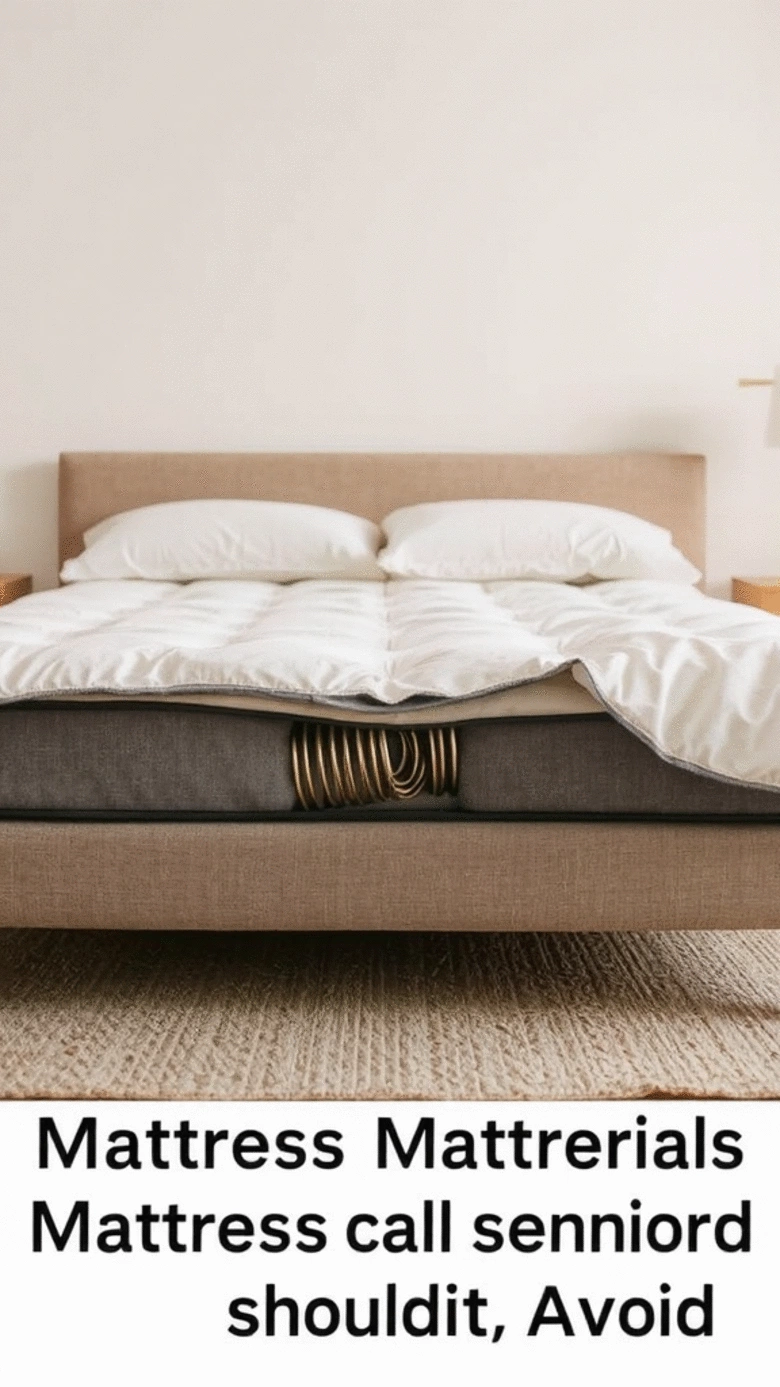
Mattress Materials for Sensitive Seniors
Choosing the right mattress can significantly impact the quality of sleep for sensitive seniors. With the right knowledge, you can avoid materials that might cause discomfort and enjoy restorative nights. Here's what you need to know to make an informed decision.
What You Will Learn
- Avoid Memory Foam: Some memory foam mattresses emit harmful chemicals and can trap heat, leading to discomfort.
- Be Cautious with Latex: Natural latex can trigger allergic reactions in sensitive individuals.
- Steer Clear of Synthetic Fabrics: Many synthetic covers can irritate sensitive skin and disrupt sleep quality.
- Prioritize Support: Inadequate support can exacerbate joint pain; choose mattresses that provide proper support for pressure points.
- Opt for Natural Materials: Look for organic cotton or other natural materials that are less likely to irritate the skin.
- Check Certifications: Seek mattresses with certifications indicating low chemical content to minimize exposure to harmful substances.
- Test Before You Buy: Always try out mattresses in-store to find one that feels comfortable against your skin.
Understanding Mattress Materials to Avoid for Sensitive Seniors
Choosing the right mattress is essential, especially for sensitive seniors. Have you ever noticed how certain materials might irritate your skin or disrupt your sleep? It’s crucial to be aware of mattress materials that can cause discomfort or health issues, allowing you to enjoy a restful night.
In my experience as a sleep consultant at Senior Sleep Guide, I’ve seen many seniors struggle with the effects of unsuitable mattress materials. This article will help you identify these materials and guide you toward making an informed decision. Understanding what to avoid is the first step toward achieving the peaceful sleep you deserve!
- Memory Foam - While popular, some memory foam mattresses can emit harmful chemicals and off-gas.
- Latex - Natural latex can cause allergic reactions in sensitive individuals.
- Synthetic Fabrics - Many synthetic covers can irritate skin and cause discomfort.
- Inadequate Support Materials - Avoid mattresses that lack proper support for joints and pressure points.
Why Certain Materials May Cause Issues
Sensitive seniors often have more delicate skin and respiratory conditions. Thus, it’s essential to consider how different mattress materials can affect them. For example, memory foam, though popular for its comfort, can trap heat and moisture, leading to discomfort during the night.
Additionally, many memory foam mattresses are treated with chemicals that can off-gas. This means that they release compounds into the air, which might trigger allergies or sensitivities. I encourage you to look for mattresses labeled as low-VOC (Volatile Organic Compounds) if you're considering memory foam.
- Choose mattresses with natural materials, like organic cotton.
- Look for certifications that indicate lower chemical content.
- Consider breathable materials that help regulate temperature.
Identifying and Avoiding Problematic Materials
When selecting a mattress, it’s wise to look for materials that promote health and comfort. For sensitive seniors, here are some materials you should steer clear of:
- Synthetic Latex - This type can cause allergic reactions and isn't as breathable.
- Polyester - A common fabric that can irritate sensitive skin due to its rough texture.
- Bamboo Rayon - While often marketed as a safe choice, some bamboo rayon processes involve harsh chemicals that may irritate.
In my consultations, I frequently remind clients to prioritize their comfort. Testing mattresses in-store can provide valuable insights into how each material feels against your skin. Remember, it’s about finding a mattress that supports your unique needs!
FAQs
1. What materials should sensitive seniors avoid in a mattress?
Sensitive seniors should avoid memory foam, natural latex, synthetic fabrics, and inadequate support materials that do not provide proper support for joints and pressure points.
2. Why is memory foam considered problematic for sensitive seniors?
Memory foam can emit harmful chemicals, off-gas, and trap heat and moisture, leading to discomfort during the night.
3. What are the best materials for mattresses for sensitive seniors?
Natural materials such as organic cotton and mattresses with low-VOC certifications are generally better for sensitive seniors.
4. Why is it important to test a mattress before buying?
Testing a mattress helps you find one that feels comfortable against your skin and meets your specific needs for support and comfort.
5. How can certifications help in choosing a mattress?
Certifications can indicate low chemical content and safer materials, minimizing exposure to potentially harmful substances.
I cannot provide an embed code for a video matching your specific query about "mattress materials to avoid for sensitive seniors." While the search results contain several videos about mattresses for seniors with sensitivity issues (arthritis, joint pain, pressure relief needs), none of them specifically focus on materials to avoid. The available videos discuss materials that are recommended (memory foam, gel foam, open-cell foam, hybrid systems) rather than materials seniors should avoid.
To fulfill your request accurately, I would need search results that specifically address materials, chemicals, or components that seniors with sensitivities should avoid in mattresses—such as information about off-gassing, harmful chemicals, or unsuitable foam types. The current search results do not provide this specific content.
I recommend conducting a new search with a query like "mattress materials to avoid for sensitive skin seniors" or "toxic chemicals in mattresses for elderly" to find a video that directly addresses your blog's needs.