
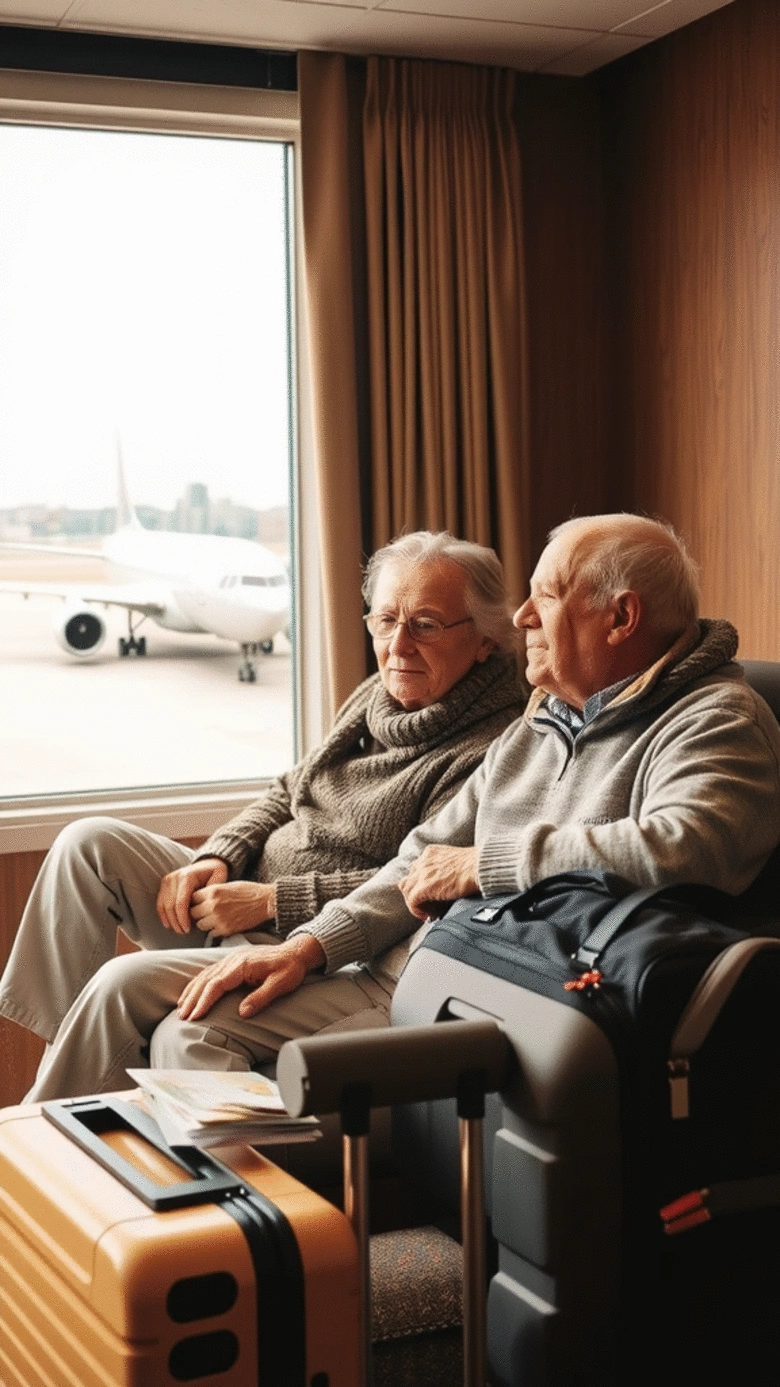
Jet Lag Tips for Seniors
Traveling can be a rejuvenating experience, especially for seniors eager to explore new horizons. However, the ordeal of jet lag can turn that excitement into fatigue. With the right strategies, you can make your next journey more enjoyable and restful. Here are some valuable insights to help you manage jet lag effectively!
What You Will Learn
- Gradually adjust your sleep schedule a few days before traveling to minimize jet lag effects.
- Stay hydrated during your flight by drinking water regularly and avoiding caffeine and alcohol.
- Create a comfortable sleep environment upon arrival by adjusting room temperature and using blackout curtains.
- Limit daytime naps to 20-30 minutes to maintain a healthy sleep schedule.
- Incorporate gentle stretches or walks during your flight to keep your body relaxed.
- Consider using a white noise machine or sleep app to help drown out unfamiliar sounds while sleeping.
Tips for Overcoming Jet Lag for Seniors Traveling
Traveling can be an exciting adventure, but for seniors, adjusting to new time zones can feel like a daunting task. Have you ever felt tired and disoriented after a long flight? That’s jet lag! As a sleep consultant at Senior Sleep Guide, I understand how important it is for older adults to not only enjoy their trips but also to feel their best while doing so. Here are some tips to help you overcome jet lag and reclaim your energy!
Before you set off on your journey, consider these practical strategies to mitigate the effects of jet lag. Preparation is key! Think about gradually adjusting your sleep schedule a few days before your trip. This way, your body can start getting used to the new time zone, so it doesn’t feel such a shock when you arrive.
- Set your alarm to your destination’s time.
- Go to bed and wake up 30 minutes earlier or later, depending on your travel direction.
- Limit naps to 20-30 minutes if you feel tired during the day.
During Your Flight: Keep Comfort in Mind
Flying can throw your body out of sync. It’s essential to focus on comfort during your flight, especially if it’s a long one. Bringing your own travel pillow and blanket can make a world of difference in feeling rested upon arrival.
Don’t forget to stay hydrated! Drinking plenty of water is crucial, as airplane cabins are often dry. You might be surprised at how much better you feel when you keep your body nourished.
- Drink water regularly, aiming for about 8 ounces every hour.
- Avoid caffeine and alcohol, which can disrupt sleep quality.
- Practice gentle stretches or walk around the cabin when you can.
Arriving at Your Destination: Set the Mood for Sleep
Once you land, it’s time to focus on creating a conducive sleep environment. Your room should feel inviting and calm. A few simple adjustments can help signal to your body that it’s time to rest.
Consider these quick tips for your sleeping space:
- Adjust the room temperature to a comfortable level.
- Use blackout curtains or an eye mask to block out light.
- Bring along a white noise machine or use a sleep app to drown out any unfamiliar sounds.
Reflecting on my experiences at Senior Sleep Guide, I’ve found that these small changes can lead to a more restful night’s sleep, helping seniors feel refreshed and ready to explore their new surroundings the next day. Remember, it’s all about finding what works best for you!
Frequently Asked Questions
1. How can I minimize jet lag before my trip?
Gradually adjust your sleep schedule a few days before traveling by going to bed and waking up 30 minutes earlier or later, depending on your travel direction.
2. What should I drink during my flight?
Stay hydrated by drinking plenty of water. Aim for about 8 ounces every hour, and avoid caffeine and alcohol as they can disrupt sleep quality.
3. How can I create a comfortable sleeping environment upon arrival?
Adjust the room temperature to a comfortable level, use blackout curtains or an eye mask to block out light, and consider bringing a white noise machine or sleep app to drown out unfamiliar sounds.
4. Are there any tips for staying comfortable during a long flight?
Bring your own travel pillow and blanket, drink water regularly, and practice gentle stretches or walk around the cabin when possible.
5. How long should I limit my daytime naps?
To maintain a healthy sleep schedule, limit daytime naps to 20-30 minutes.