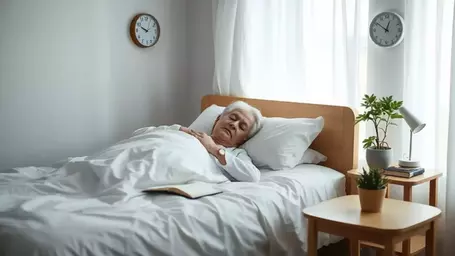

Understanding Sleep and Daytime Fatigue
As we age, many of us struggle with increased fatigue and restless nights. Understanding the underlying factors, particularly our circadian rhythm, can be the key to unlocking better sleep and more vibrant days. Let's explore how simple lifestyle adjustments can lead to significant improvements in our energy levels.
What You Will Learn
- The circadian rhythm plays a crucial role in determining sleep quality and daytime alertness, particularly in seniors.
- Changes in melatonin production and health issues can disrupt circadian rhythms, leading to increased daytime fatigue.
- Simple lifestyle adjustments, such as consistent sleep schedules and exposure to natural light, can enhance overall energy levels.
- Engaging in calming pre-sleep activities and avoiding screens before bedtime can significantly improve sleep quality.
The Connection Between Circadian Rhythm and Daytime Fatigue in Seniors
As we age, our bodies go through many changes, and one of the most significant transformations involves our circadian rhythm. Have you ever noticed feeling more tired during the day? This could be linked to how our internal clock, which regulates sleep and wakefulness, operates differently in seniors. Let’s dive into this connection and explore ways to improve our daytime energy!
Understanding the circadian rhythm is essential for recognizing its impact on our daily lives. It is like a natural timekeeper that helps determine when we feel sleepy and when we feel alert. For seniors, changes in this rhythm can lead to increased daytime fatigue and affect overall well-being. So, what can we do about it?
- Identify the changes in your sleep patterns.
- Incorporate natural light into your daily routine.
- Create a consistent sleep schedule.
- Engage in regular physical activity.
How Circadian Rhythm Affects Sleep in Seniors
When we talk about the circadian rhythm, it's essential to acknowledge that it influences sleep quality. Many older adults find it harder to fall asleep and stay asleep, leading to restless nights. This disruption can result in waking up feeling unrefreshed and experiencing daytime fatigue.
The internal clock can become misaligned due to various factors. Here are some common reasons:
- Changes in melatonin production.
- Health issues such as chronic pain or anxiety.
- Side effects from medications.
- Irregular sleep schedules or late-night habits.
Recognizing these factors is the first step in finding solutions. If you’ve been feeling more tired than usual, it might be time to reassess your sleep habits.
Tips to Improve Circadian Rhythm for Better Daytime Energy
Improving your circadian rhythm is possible with some simple changes to your routine. As someone passionate about helping seniors, I often suggest these practical tips to my clients at Senior Sleep Guide.
Here are some effective strategies:
- Expose yourself to bright light in the morning—this helps reset your internal clock.
- Avoid screens at least an hour before bedtime; the blue light can confuse your body.
- Maintain a consistent bedtime and wake-up time, even on weekends!
- Engage in calming pre-sleep activities, like reading or gentle stretches.
Implementing these changes can significantly enhance your sleep and overall daytime energy levels. Remember, a little effort goes a long way!
Frequently Asked Questions (FAQs)
- What is the circadian rhythm?
The circadian rhythm is your body’s internal clock that regulates sleep and wakefulness, influencing your energy levels throughout the day. - How does aging affect the circadian rhythm?
As we age, our circadian rhythms can shift, causing changes in sleep patterns and increased daytime fatigue. - What can I do to improve my sleep quality?
Engaging in activities like exposing yourself to natural light, maintaining a consistent sleep schedule, and avoiding screens before bed can help improve sleep quality. - Are there specific health issues that disrupt circadian rhythms?
Yes, health issues such as chronic pain and anxiety can disrupt circadian rhythms, leading to sleep disturbances.