
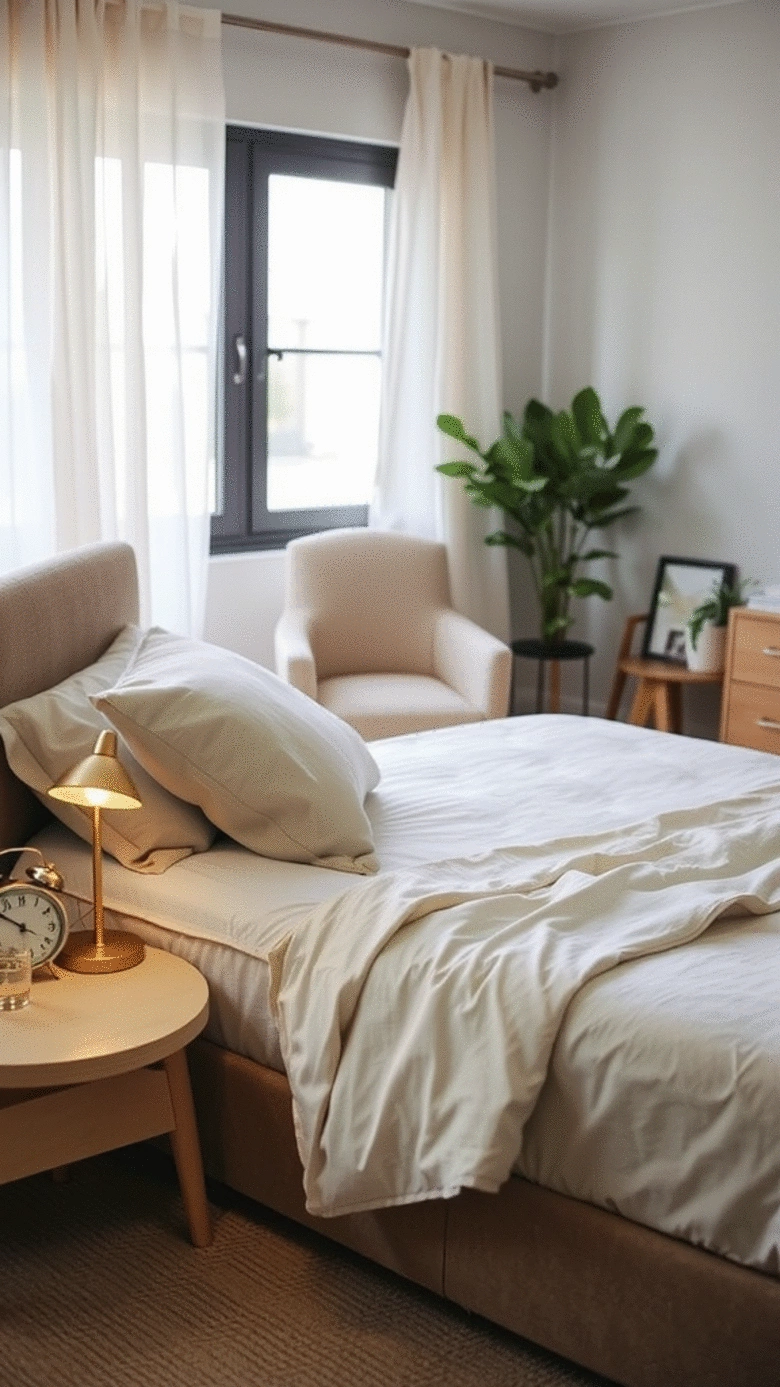
Enhancing Sleep Quality for Seniors
What if a simple change in your surroundings could transform your sleep quality? For aging adults, optimizing the sleep environment is not just beneficial; it's essential for rejuvenation and overall health.
What You Will Learn
- The importance of a comfortable mattress and bedding for restful sleep.
- Ideal room temperature for optimal sleep, typically between 60 to 67 degrees Fahrenheit.
- How to minimize noise and light distractions to enhance sleep quality.
- Effective strategies for creating a calming atmosphere, including decluttering and using blackout curtains.
- The impact of screen time on sleep and the benefits of establishing a relaxing bedtime routine.
The Importance of Sleep Environment for Aging Adults
Have you ever thought about how your surroundings impact your sleep? For aging adults, creating a comfortable and peaceful sleep environment is essential for a good night’s rest. As we age, our bodies become more sensitive to external factors, making it crucial to optimize our sleep settings. At Senior Sleep Guide, I’m dedicated to helping seniors like you enhance your sleep experience through tailored recommendations.
Understanding the elements that contribute to a healthy sleep environment can be a game-changer. Think about everything from room temperature to noise levels. By making simple adjustments, you can significantly improve your sleep quality, allowing you to wake up feeling refreshed and revitalized!
- Comfortable bedding
- Optimal room temperature
- Minimized noise and light
- Supportive mattress
Creating a Comfortable Sleep Space
The first step in optimizing your sleep environment is ensuring your bedding is comfortable. Have you checked your pillows and mattress lately? A well-chosen mattress can support your body appropriately, reducing aches and allowing for restful sleep. I always recommend testing them out to find what feels best for you!
Next, consider the temperature of your room. A cool environment can encourage better sleep, as our bodies naturally drop in temperature when we rest. The ideal room temperature usually hovers around 60 to 67 degrees Fahrenheit. Investing in breathable sheets can also help regulate your body heat throughout the night.
- Choose a mattress that suits your sleeping style
- Use breathable sheets for temperature control
- Keep your bedroom dark with blackout curtains
- Limit clutter for a calming atmosphere
Minimizing Distractions
Distractions from noise and light can significantly impact your ability to fall and stay asleep. Consider using earplugs or a white noise machine if you live in a noisy area. Gentle sounds like rain or ocean waves can help soothe you to sleep. Have you tried this method? It can create a peaceful soundscape in your bedroom!
Moreover, turning off electronic devices at least an hour before bedtime can make a big difference. The blue light emitted by screens can interfere with your body’s natural sleep cycle. Instead, you might enjoy relaxing activities like reading or gentle stretching to unwind.
- Use earplugs or white noise machines
- Eliminate screen time before bed
- Consider dimming the lights in the evening
- Establish a relaxing bedtime routine
As you implement these suggestions, take a moment to reflect on how your sleep environment makes you feel. Each small change can lead to significant improvements in your sleep quality! Embrace the journey towards better sleep; you deserve it!
FAQs
1. Why is the sleep environment important for aging adults?
Creating a comfortable and peaceful sleep environment is essential for a good night’s rest, as aging adults are more sensitive to external factors.
2. What is the ideal room temperature for sleep?
The ideal room temperature for optimal sleep is typically between 60 to 67 degrees Fahrenheit.
3. How can I minimize noise and light distractions?
Using earplugs, a white noise machine, and blackout curtains can significantly minimize noise and light distractions, enhancing sleep quality.
4. What are some effective strategies for creating a calming atmosphere?
Effective strategies include decluttering your space, using blackout curtains, and ensuring your bedding is comfortable.
5. How does screen time affect sleep?
Screen time can interfere with your body’s natural sleep cycle due to the blue light emitted by devices. It is advisable to turn off electronic devices at least an hour before bedtime.